|
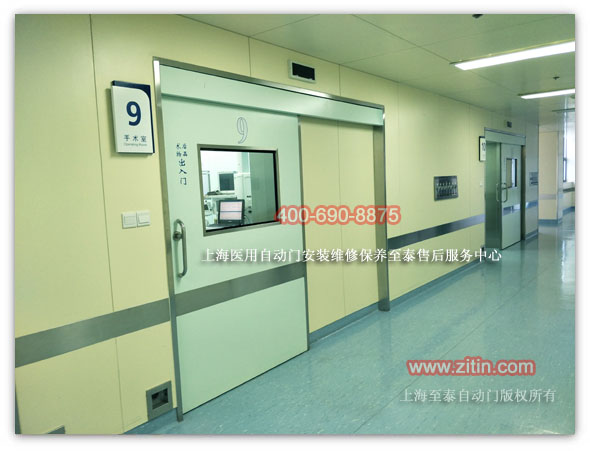
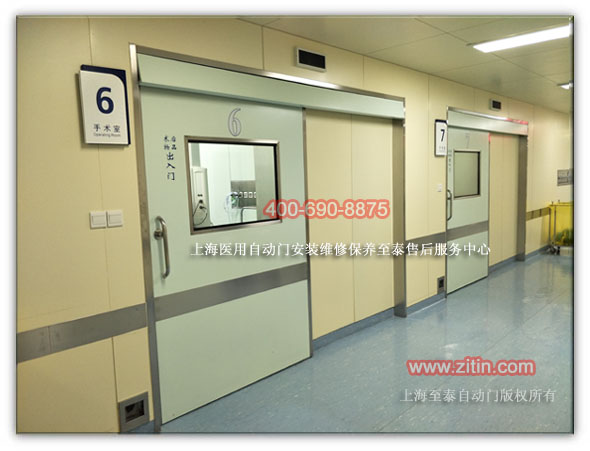
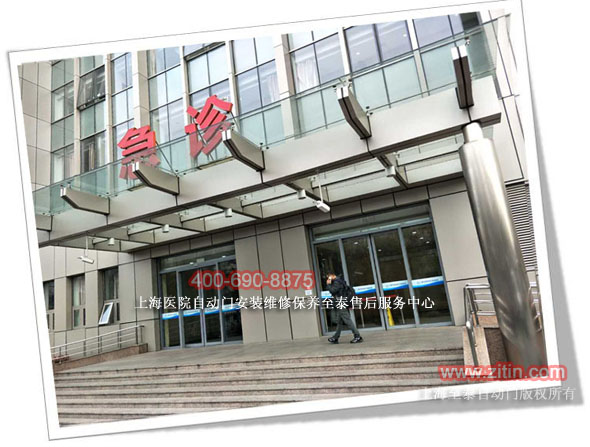
In this article, hospital sliding automatic doors are abbreviated as medical automatic doors, and ordinary sliding automatic doors as ordinary automatic doors. The similarity between medical automatic doors and ordinary automatic doors is that both perform controlled automatic translational motion along a straight track. Their transmission mechanisms - door leaf, hanger, tensioning device, synchronous pulley and synchronous belt, and even the main beam - are basically interchangeable, and both are generally referred to as sliding automatic doors. The main difference lies in their places of use: ordinary automatic doors are mainly used at the entrances and exits of public places such as buildings, hotels, shops and banks, while medical automatic doors are mainly used at the entrances and exits of hospital outpatient buildings, inpatient buildings, hospital isolation rooms and hospital clean operating departments - places requiring radiation protection, sound insulation, heat insulation and sealing.

The entrances and exits of functional rooms must be isolated with medical automatic doors, a task far beyond the capability of ordinary automatic doors. There are essential differences, which impose higher and ** specific requirements on medical automatic doors.

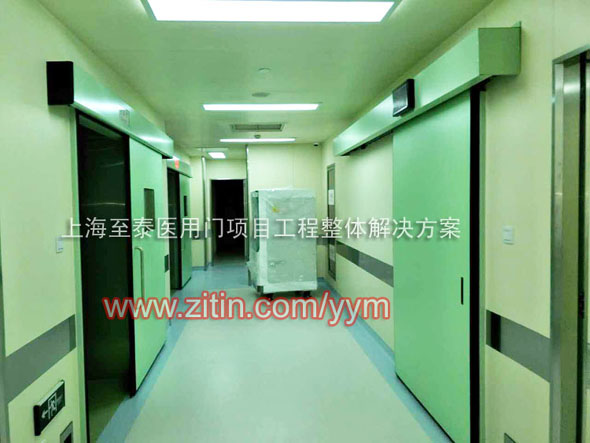
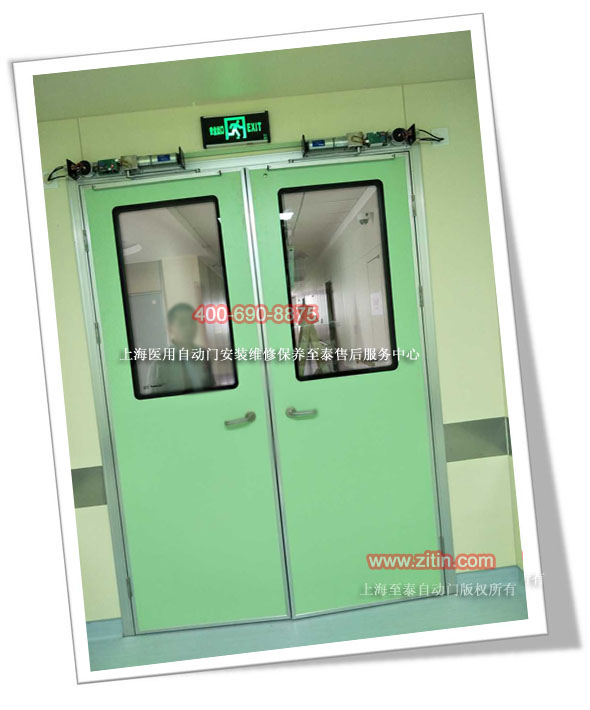
The main points are as follows:
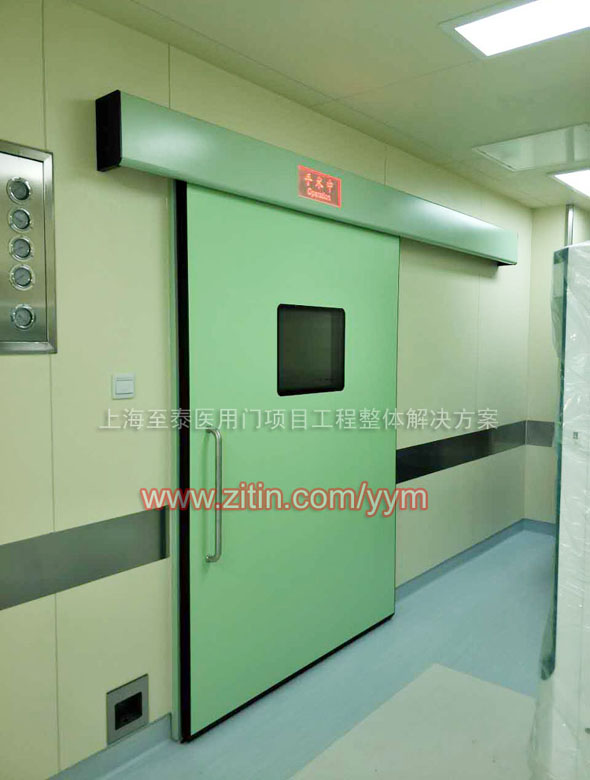
1. Door leaf: The outer surface is made of stainless steel sheet, electrolytic steel sheet or color-coated steel sheet; among these, stainless steel sheet is preferred, though it costs **. The middle core is made by foam filling. For door leaves with radiation-shielding requirements, a lead sheet of a certain thickness must be sandwiched in the middle. In addition, sealing strips must be embedded at the wall joints.
2. The motor gearbox should be specially designed to minimize noise so as to meet the noise requirements of cleanrooms.
3. The electric control unit must comply with the relevant national electromagnetic compatibility standards to prevent interference with medical equipment.
4. The voltage range the electric control unit can adapt to should be wide.
5. Special functional requirements.
1) It must have a functional interface for automatically activating air-shower equipment.
2) It must have a connection port for backup power supply.
3) Enhanced anti-pinch function to ** safety; for example, safety sensors must be installed, and the door leaf must immediately reverse when encountering resistance.
4) It must have delayed closing and dual-sensing functions.
5) It must use non-contact proximity sensors, such as non-touch manual sensors or foot sensors. It can be seen that, due to the above special characteristics of medical automatic doors, the standard for ordinary sliding automatic doors is far from covering the above requirements; therefore, it is very necessary to ** a special standard for medical automatic doors.
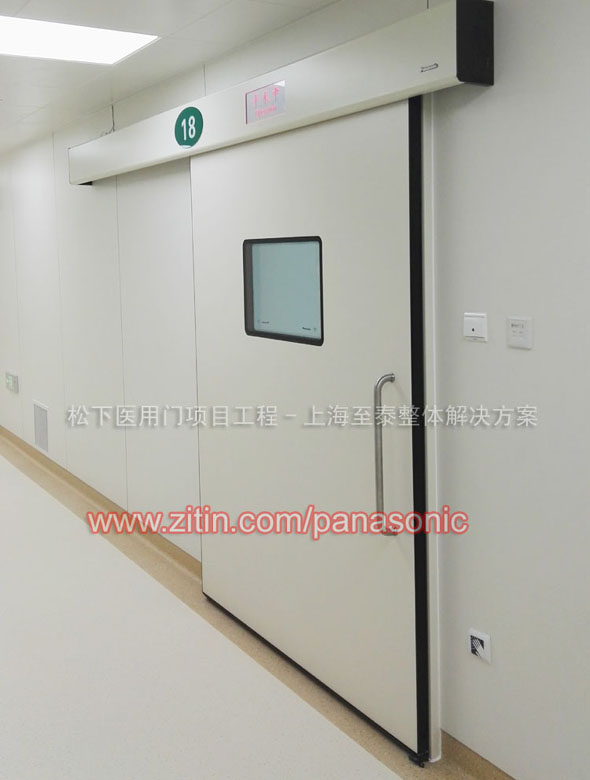
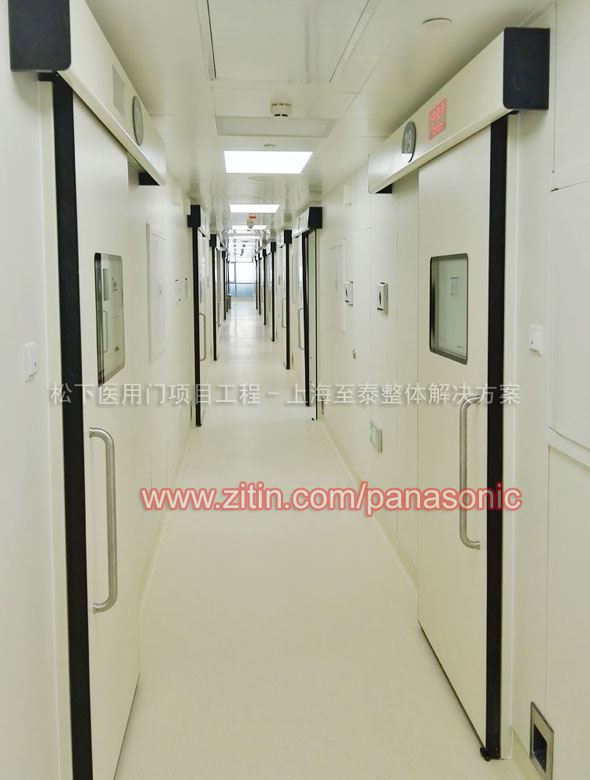
Important parameters to be defined by the standard for medical sliding automatic doors:
(1) Radiation protection: chi, beta, gamma rays, etc.
(2) Anti-static: specified leakage resistance value.
(3) Heat insulation: specified heat transfer resistance value.
(4) Sound insulation: specified sound insulation value.
(5) Prevention of unauthorized opening: specified minimum locking force.
(6) Wind pressure: specified maximum wind pressure value.
(7) Static pressure difference: specified static pressure difference value.
(8) Noise: specified maximum noise value.
(9) Door leaf flatness: not greater than 0.5mm.
(10) Sealing strip material: its compression set and hardness ranges shall be specified.
(11) Impact resistance.
, , , (12) Safety
1. Electrical safety, excluding Class 0 equipment.
2. Safety for pedestrians.
a. Specified installation of safety screens.
b. Specified immediate reversal function of the medical automatic door upon encountering resistance.
(13) Electromagnetic compatibility: specified power factor, harmonic content and EMC parameters.
(14) Sensors: specified parameters for proximity sensors.
Items not covered above may refer to the ordinary automatic door standard or be supplemented later.
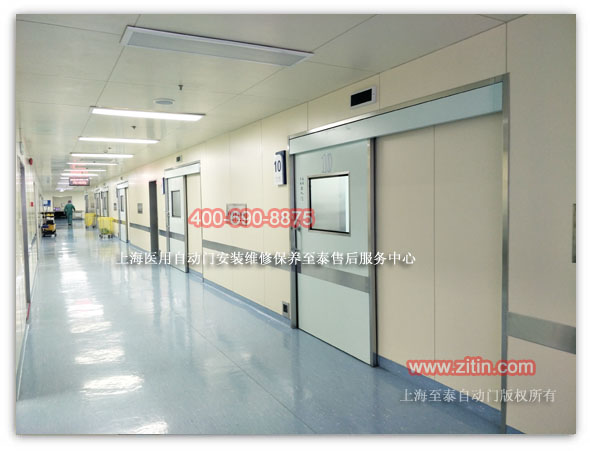
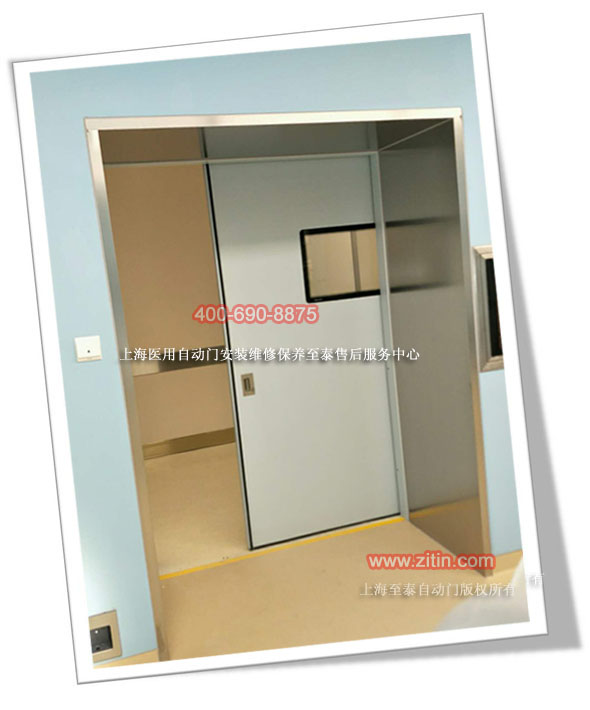
In short, the formulation of the medical automatic door standard should build on and ** upon the best existing medical automatic doors in China, so that it can guide the design and **ment of medical automatic doors for at least the next 5 years, lead a rapid leap-forward **ment of medical automatic door technology, promote ** enterprises to ** their independent R&D capability, and provide a basis for lawfully resisting low-level design and keeping low-**, cheap products from entering the market, so that ** or imported medical automatic doors can better meet the market demand for a new round of hospital clean isolation ward construction under unified standards
Address: 1F, Building 1, National University Science Park, University of Shanghai for Science and Technology, 128 Xiangyin Road, Chongming District, Shanghai, China
ShanghaiHospital automatic doorsZitinafter-salesrepairservicetelephone; 400-690-8875; QQ:634**743 WeChat: 131228529**
Note:Shanghai Hospital automatic doors Zitin Sensor door installation & repair Maintenance service

|










 Current Location: Home >